Exploring the variety of plastic seals
24
November
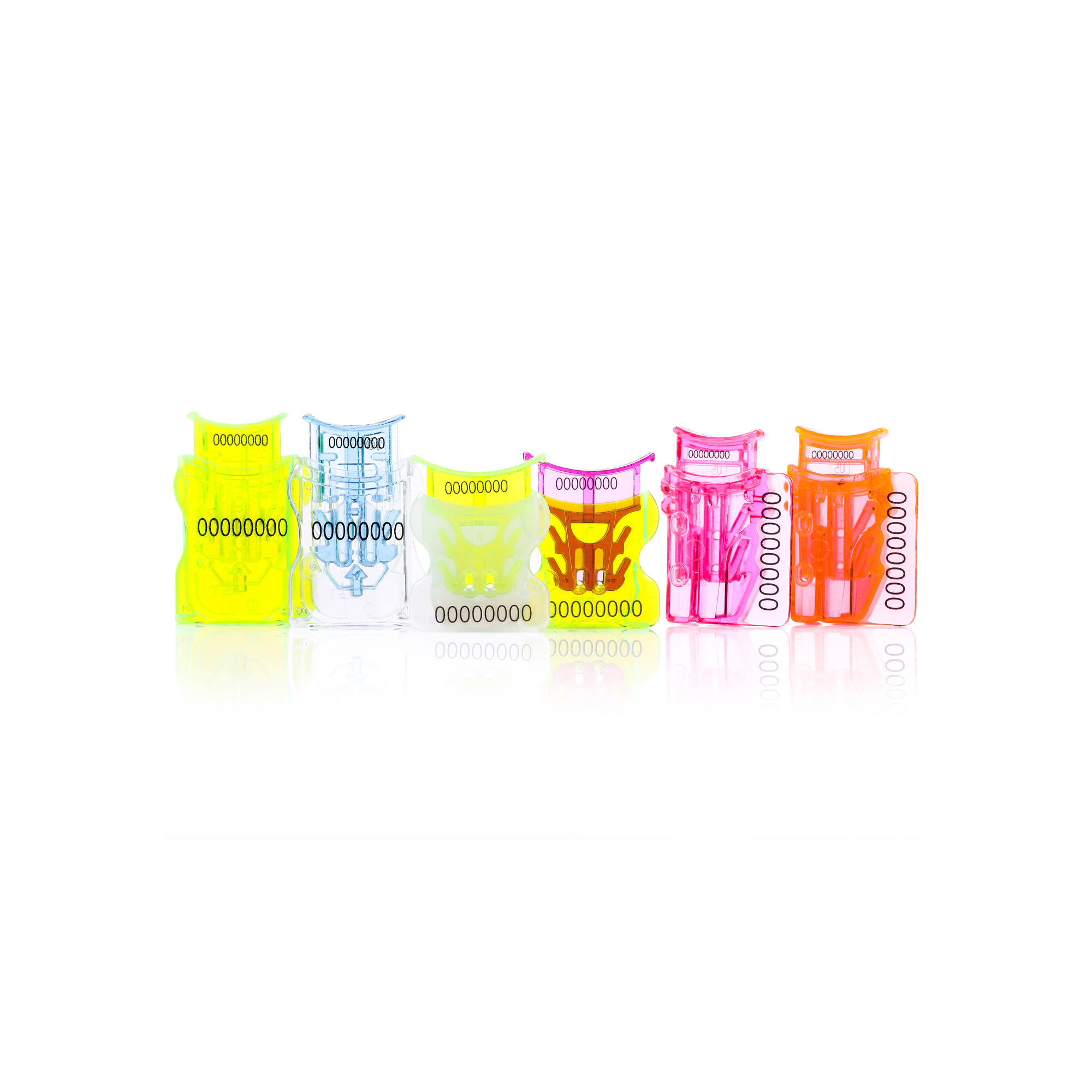
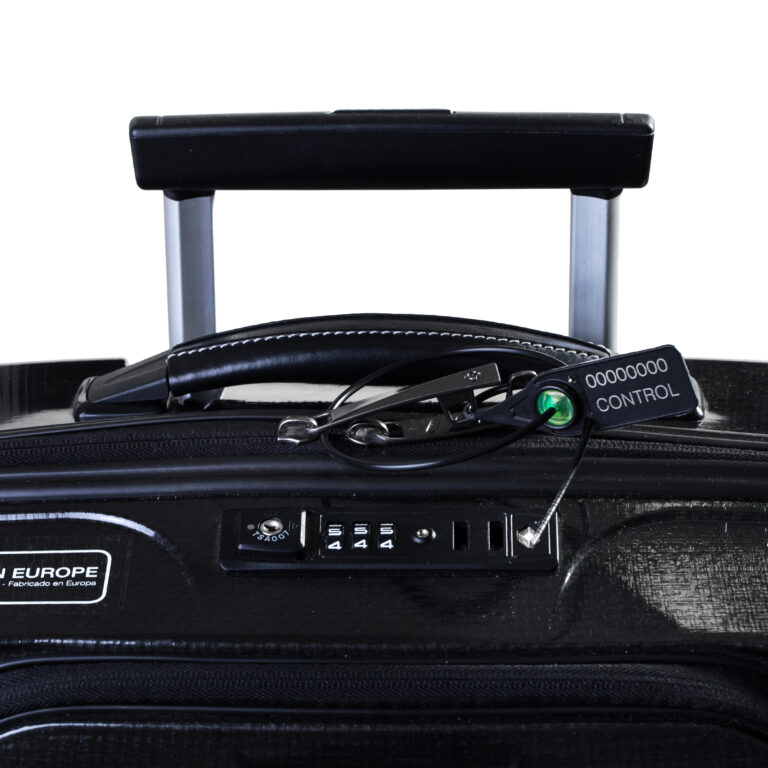
Today, almost 95% of the seals used to seal and control the safety of a facility or item are made of plastic. Plastic seals are mostly made of wear-resistant polycarbonate, high-quality polypropylene, or polyethylene. All variants, taking into account the scope of use, provide a reliable fastening of the elements and the safety of the property. Plastic seals are often called "control" ones because they are installed when service rooms, inventory warehouses, and office premises are sealed.
Plastic seals have replaced lead seals and successfully perform all the necessary functions. They are very easy to use, effective, and have a very wide range of applications.
In general, plastic seals look like a loop, a latch, or a rotary mechanism. Each type of fastener is used for different purposes: the fastening of parcels, technical equipment, resource metering devices, production facilities, workshops, and commercial premises.
Mounting/dismounting of plastic protective indicators is performed without the use of special tools. Most often it can be removed with ordinary scissors.
Clixar plastic seals are grouped into the following types:

Tightening seals
- Bankseal
- Arrow Black Prince
- Arrow V2/ Arrow V3 / Arrow Lux
- Postseal
- Capseal
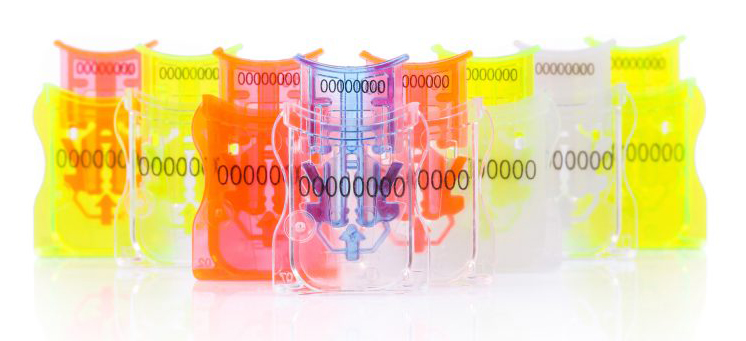
Drum security seals
- Garant
- Carat
- Rubin
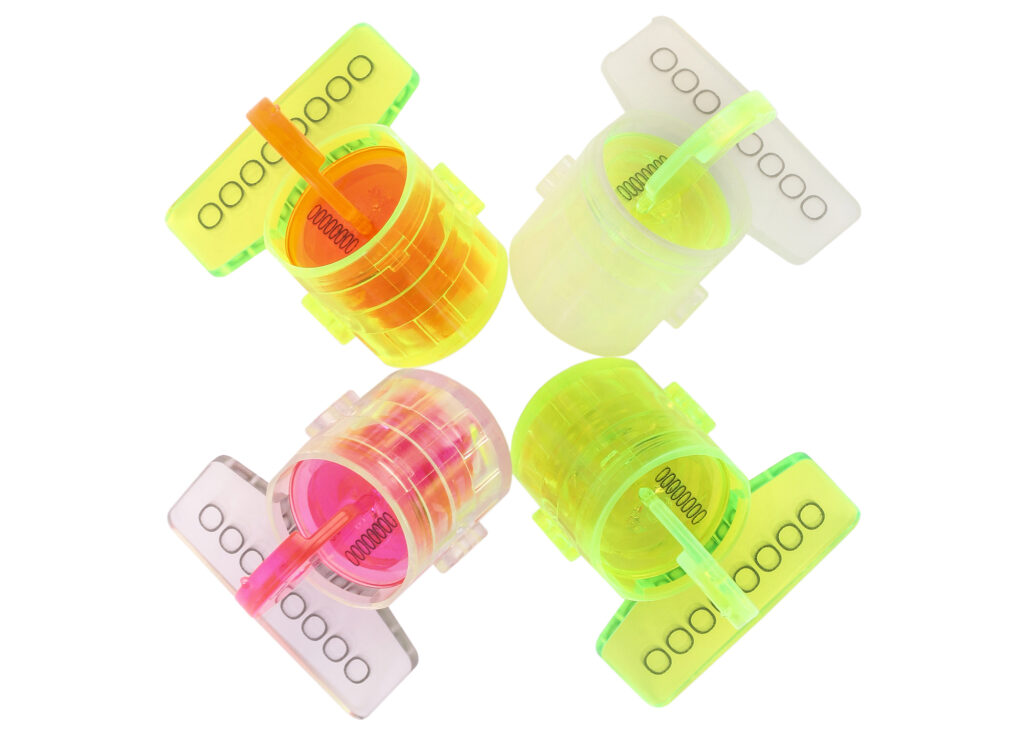
Rotor seals
- Turbion
- Lumiseal
- Twisteiro
PGK - valve locking device
PGS - locking device for cap nuts and pipe joints
Despite the simplicity of design and the commonly used materials, all means of control have several levels of protection against counterfeiting. Each plastic seal is numbered, marked on several sides, and consists of elements that cannot be reused. It is because of these features plastic seals have gained the love and trust of customers